What is E-waste?
E-waste or electronic waste is an informal term used to define electronic products that are thought to be at the end of their ‘useful life’.
Common examples of such electronic products include computers, televisions, photocopiers, fax machines, etc. Generally, the majority of these products are reusable, refurbishable, or recyclable.
E-waste isn’t just devices that have stopped working or broken down completely; it can also refer to devices that have been replaced yet function completely fine.
The 21st Century so far has been full of rapid technological advancements. With these advancements, many devices that still work fine have become obsolete simply because the market is now full of alternatives that are far more efficient at doing the same task.
Let’s take VCRs, DVDs, and Blu-ray players as an example. After DVD players replaced VCRs in 1997, it didn’t take long for the next big thing, Blu-ray players, to pop up and make DVDs obsolete. And now, in 2022, streaming services have long since dethroned Blu-ray players for good.
The question is, what happens to the previous technology when the next big thing pops up? There is no way all VCRs, DVDs, or Blu-ray players became faulty.
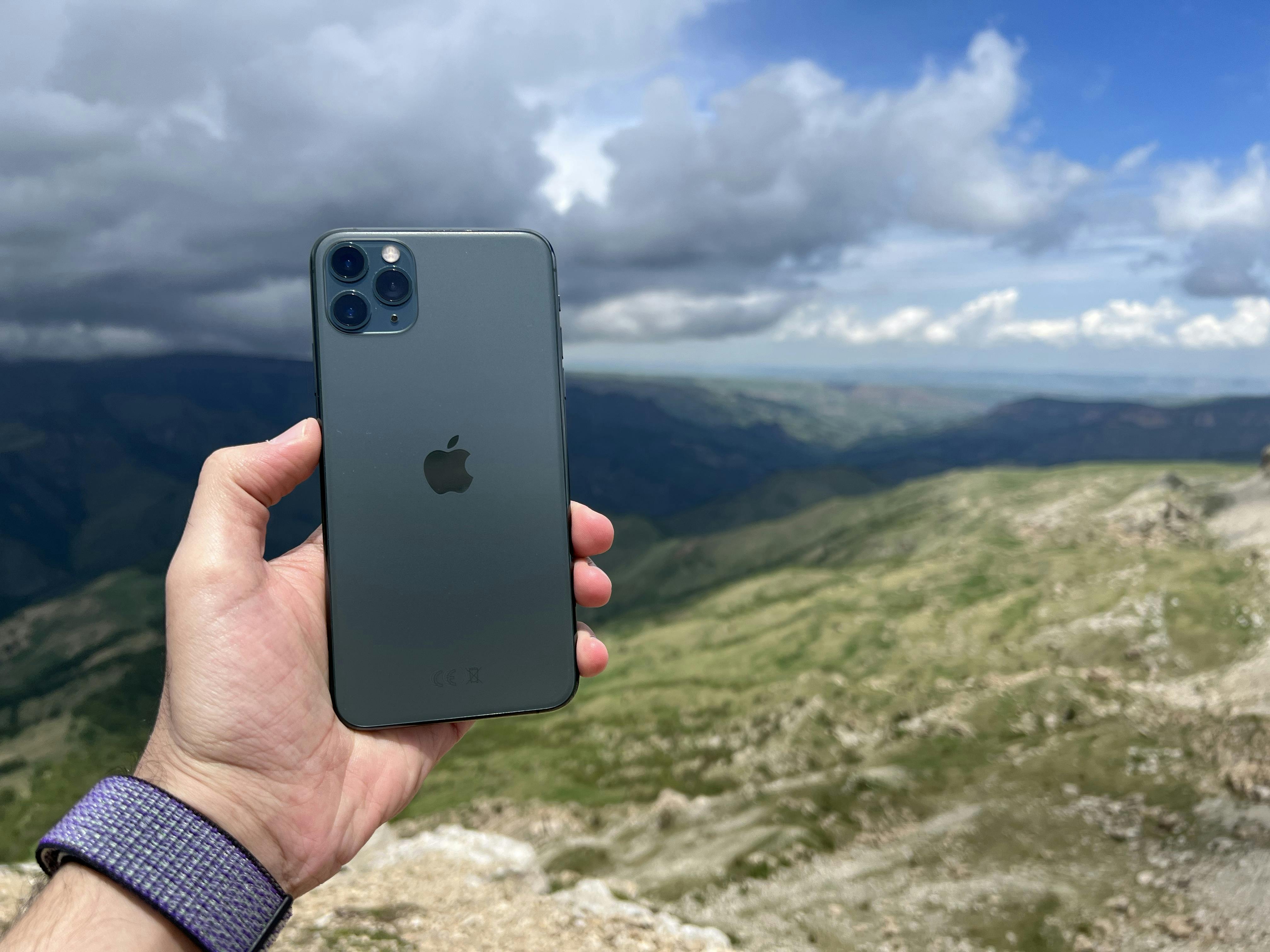
Scratch that; an even better example would be smartphones. Newer models of the same smartphone are available within months of the previous release. Despite that, the more recent version almost always has a unique feature or concept that hooks the masses.
For instance, in 2014, the United States Environmental Protection Agency (or the EPA for short) released that around 416,000 phones were thrown away daily in the United States alone. This metric added up to a staggering amount of 151 million phones thrown away yearly!
While the exact concept of e-waste is vague, the idea above explains a considerable part. Technological advancements of the 21st Century are designed to make human life more manageable. However, the general population has gotten too comfortable with disposing of their previous appliances as soon as a newer version pops in. E-waste isn’t just devices that have stopped working or broken down completely; it can also refer to devices that have been replaced yet function completely fine.
The 21st Century so far has been full of rapid technological advancements. With these advancements, many devices that still work fine have become obsolete simply because the market is now full of alternatives that are far more efficient at doing the same task.
Let’s take VCRs, DVDs, and Blu-ray players as an example. After DVD players replaced VCRs in 1997, it didn’t take long for the next big thing, Blu-ray players, to pop up and make DVDs obsolete. And now, in 2022, streaming services have long since dethroned Blu-ray players for good.
The question is, what happens to the previous technology when the next big thing pops up? There is no way all VCRs, DVDs, or Blu-ray players became faulty.
Scratch that; an even better example would be smartphones. Newer models of the same smartphone are available within months of the previous release. Despite that, the more recent version almost always has a unique feature or concept that hooks the masses.
For instance, in 2014, the United States Environmental Protection Agency (or the EPA for short) released that around 416,000 phones were thrown away daily in the United States alone. This metric added up to a staggering amount of 151 million phones thrown away yearly!
While the exact concept of e-waste is vague, the idea above explains a considerable part. Technological advancements of the 21st Century are designed to make human life more manageable. However, the general population has gotten too comfortable with disposing of their previous appliances as soon as a newer version pops in. E-waste isn’t just devices that have stopped working or broken down completely; it can also refer to devices that have been replaced yet function completely fine.
The 21st Century so far has been full of rapid technological advancements. With these advancements, many devices that still work fine have become obsolete simply because the market is now full of alternatives that are far more efficient at doing the same task.
Let’s take VCRs, DVDs, and Blu-ray players as an example. After DVD players replaced VCRs in 1997, it didn’t take long for the next big thing, Blu-ray players, to pop up and make DVDs obsolete. And now, in 2022, streaming services have long since dethroned Blu-ray players for good.
The question is, what happens to the previous technology when the next big thing pops up? There is no way all VCRs, DVDs, or Blu-ray players became faulty.
Scratch that; an even better example would be smartphones. Newer models of the same smartphone are available within months of the previous release. Despite that, the more recent version almost always has a unique feature or concept that hooks the masses.
For instance, in 2014, the United States Environmental Protection Agency (or the EPA for short) released that around 416,000 phones were thrown away daily in the United States alone. This metric added up to a staggering amount of 151 million phones thrown away yearly!
While the exact concept of e-waste is vague, the idea above explains a considerable part. Technological advancements of the 21st Century are designed to make human life more manageable. However, the general population has gotten too comfortable with disposing of their previous appliances as soon as a newer version pops in.
E-waste isn’t just devices that have stopped working or broken down completely; it can also refer to devices that have been replaced yet function completely fine.
The 21st Century so far has been full of rapid technological advancements. With these advancements, many devices that still work fine have become obsolete simply because the market is now full of alternatives that are far more efficient at doing the same task.
Let’s take VCRs, DVDs, and Blu-ray players as an example. After DVD players replaced VCRs in 1997, it didn’t take long for the next big thing, Blu-ray players, to pop up and make DVDs obsolete. And now, in 2022, streaming services have long since dethroned Blu-ray players for good.
The question is, what happens to the previous technology when the next big thing pops up? There is no way all VCRs, DVDs, or Blu-ray players became faulty.
Scratch that; an even better example would be smartphones. Newer models of the same smartphone are available within months of the previous release. Despite that, the more recent version almost always has a unique feature or concept that hooks the masses.
For instance, in 2014, the United States Environmental Protection Agency (or the EPA for short) released that around 416,000 phones were thrown away daily in the United States alone. This metric added up to a staggering amount of 151 million phones thrown away yearly!
While the exact concept of e-waste is vague, the idea above explains a considerable part. Technological advancements of the 21st Century are designed to make human life more manageable. However, the general population has gotten too comfortable with disposing of their previous appliances as soon as a newer version pops in. What is E-waste?
E-waste or electronic waste is an informal term used to define electronic products that are thought to be at the end of their ‘useful life’.
Common examples of such electronic products include computers, televisions, photocopiers, fax machines, etc. Generally, the majority of these products are reusable, refurbishable, or recyclable.
E-waste isn’t just devices that have stopped working or broken down completely; it can also refer to devices that have been replaced yet function completely fine.
The 21st Century so far has been full of rapid technological advancements. With these advancements, many devices that still work fine have become obsolete simply because the market is now full of alternatives that are far more efficient at doing the same task.
Let’s take VCRs, DVDs, and Blu-ray players as an example. After DVD players replaced VCRs in 1997, it didn’t take long for the next big thing, Blu-ray players, to pop up and make DVDs obsolete. And now, in 2022, streaming services have long since dethroned Blu-ray players for good.
The question is, what happens to the previous technology when the next big thing pops up? There is no way all VCRs, DVDs, or Blu-ray players became faulty.
Scratch that; an even better example would be smartphones. Newer models of the same smartphone are available within months of the previous release. Despite that, the more recent version almost always has a unique feature or concept that hooks the masses.
For instance, in 2014, the United States Environmental Protection Agency (or the EPA for short) released that around 416,000 phones were thrown away daily in the United States alone. This metric added up to a staggering amount of 151 million phones thrown away yearly!
While the exact concept of e-waste is vague, the idea above explains a considerable part. Technological advancements of the 21st Century are designed to make human life more manageable. However, the general population has gotten too comfortable with disposing of their previous appliances as soon as a newer version pops in. E-waste isn’t just devices that have stopped working or broken down completely; it can also refer to devices that have been replaced yet function completely fine.
The 21st Century so far has been full of rapid technological advancements. With these advancements, many devices that still work fine have become obsolete simply because the market is now full of alternatives that are far more efficient at doing the same task.
Let’s take VCRs, DVDs, and Blu-ray players as an example. After DVD players replaced VCRs in 1997, it didn’t take long for the next big thing, Blu-ray players, to pop up and make DVDs obsolete. And now, in 2022, streaming services have long since dethroned Blu-ray players for good.
The question is, what happens to the previous technology when the next big thing pops up? There is no way all VCRs, DVDs, or Blu-ray players became faulty.
Scratch that; an even better example would be smartphones. Newer models of the same smartphone are available within months of the previous release. Despite that, the more recent version almost always has a unique feature or concept that hooks the masses.
For instance, in 2014, the United States Environmental Protection Agency (or the EPA for short) released that around 416,000 phones were thrown away daily in the United States alone. This metric added up to a staggering amount of 151 million phones thrown away yearly!
While the exact concept of e-waste is vague, the idea above explains a considerable part. Technological advancements of the 21st Century are designed to make human life more manageable. However, the general population has gotten too comfortable with disposing of their previous appliances as soon as a newer version pops in. E-waste isn’t just devices that have stopped working or broken down completely; it can also refer to devices that have been replaced yet function completely fine.
The 21st Century so far has been full of rapid technological advancements. With these advancements, many devices that still work fine have become obsolete simply because the market is now full of alternatives that are far more efficient at doing the same task.
Let’s take VCRs, DVDs, and Blu-ray players as an example. After DVD players replaced VCRs in 1997, it didn’t take long for the next big thing, Blu-ray players, to pop up and make DVDs obsolete. And now, in 2022, streaming services have long since dethroned Blu-ray players for good.
The question is, what happens to the previous technology when the next big thing pops up? There is no way all VCRs, DVDs, or Blu-ray players became faulty.
Scratch that; an even better example would be smartphones. Newer models of the same smartphone are available within months of the previous release. Despite that, the more recent version almost always has a unique feature or concept that hooks the masses.
For instance, in 2014, the United States Environmental Protection Agency (or the EPA for short) released that around 416,000 phones were thrown away daily in the United States alone. This metric added up to a staggering amount of 151 million phones thrown away yearly!
While the exact concept of e-waste is vague, the idea above explains a considerable part. Technological advancements of the 21st Century are designed to make human life more manageable. However, the general population has gotten too comfortable with disposing of their previous appliances as soon as a newer version pops in.
E-waste isn’t just devices that have stopped working or broken down completely; it can also refer to devices that have been replaced yet function completely fine.
The 21st Century so far has been full of rapid technological advancements. With these advancements, many devices that still work fine have become obsolete simply because the market is now full of alternatives that are far more efficient at doing the same task.
Let’s take VCRs, DVDs, and Blu-ray players as an example. After DVD players replaced VCRs in 1997, it didn’t take long for the next big thing, Blu-ray players, to pop up and make DVDs obsolete. And now, in 2022, streaming services have long since dethroned Blu-ray players for good.
The question is, what happens to the previous technology when the next big thing pops up? There is no way all VCRs, DVDs, or Blu-ray players became faulty.
Scratch that; an even better example would be smartphones. Newer models of the same smartphone are available within months of the previous release. Despite that, the more recent version almost always has a unique feature or concept that hooks the masses.
For instance, in 2014, the United States Environmental Protection Agency (or the EPA for short) released that around 416,000 phones were thrown away daily in the United States alone. This metric added up to a staggering amount of 151 million phones thrown away yearly!
While the exact concept of e-waste is vague, the idea above explains a considerable part. Technological advancements of the 21st Century are designed to make human life more manageable. However, the general population has gotten too comfortable with disposing of their previous appliances as soon as a newer version pops in.